

Learn mathematics
at the school
of mathemagic
We'll match a maths tutor in a minute
Describe what you need in your own words. AI will ask a few questions and instantly show a tutor that fits you
Or pick an example
Still falling behind?

Magic of understanding


Magic of understanding
Online that captivates
We teach so the child truly understands
Live 1:1 explanation
The tutor doesn't just read material — they lead a dialogue. Explains through examples, asks questions, draws diagrams, adapts to the child's pace.
No pressure

Students love the format
Interactive lessons — in the rhythm of today's child
Lessons are designed to keep interest. Children feel progress after the very first sessions — and want to continue.
Video call + interactive

Support between lessons
The child is never left alone with a difficult topic. The AI assistant helps figure things out step by step, and the tutor supports and guides in the right direction.
Online that captivates
We teach so the child truly understands
Live 1:1 explanation
The tutor doesn't just read material — they lead a dialogue. Explains through examples, asks questions, draws diagrams, adapts to the child's pace.
No pressure
Students love the format
Interactive lessons — in the rhythm of today's child
Lessons are designed to keep interest. Children feel progress after the very first sessions — and want to continue.
Video call + interactive
Support between lessons
The child is never left alone with a difficult topic. The AI assistant helps figure things out step by step, and the tutor supports and guides in the right direction.

The path to results — in simple steps
These aren't abstract "weekly lessons" — it's a personal learning path your child follows together with a tutor and AI assistant
Introductory lesson
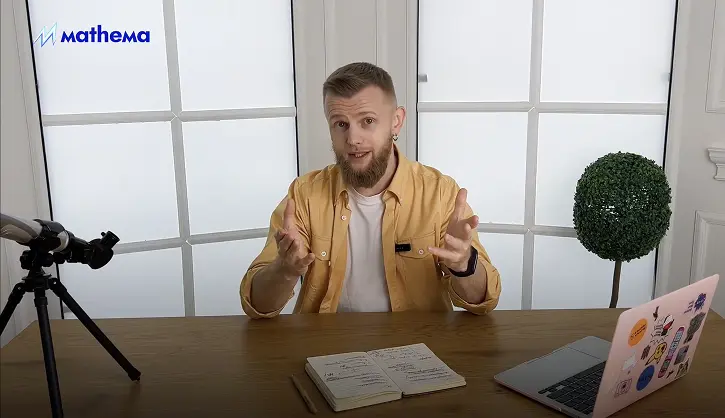
We explore the child's thinking, gaps and strengths. In a light, inspiring atmosphere — like a friendly chat, not an exam.
Sign upPersonal action plan

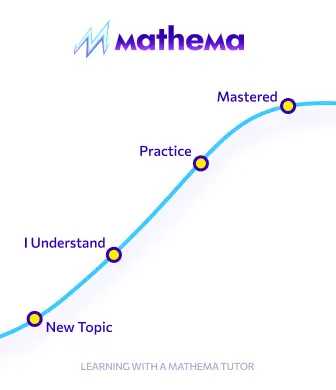
We create a specific plan: what to study, in what order, what to focus on. No chaos — just clear logic and structure that's easy to follow.
Sign up1:1 lessons + AI assistant + quizzes
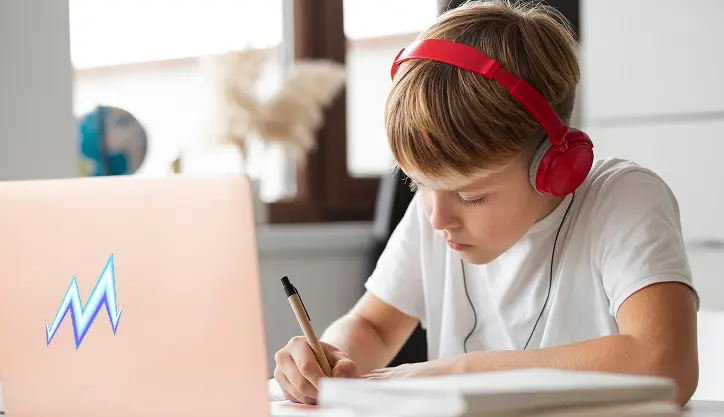
The child learns through live dialogue with the tutor, and between lessons reinforces the material with: short quizzes, AI assistant explanations, micro-tasks.
Sign upVisible progress
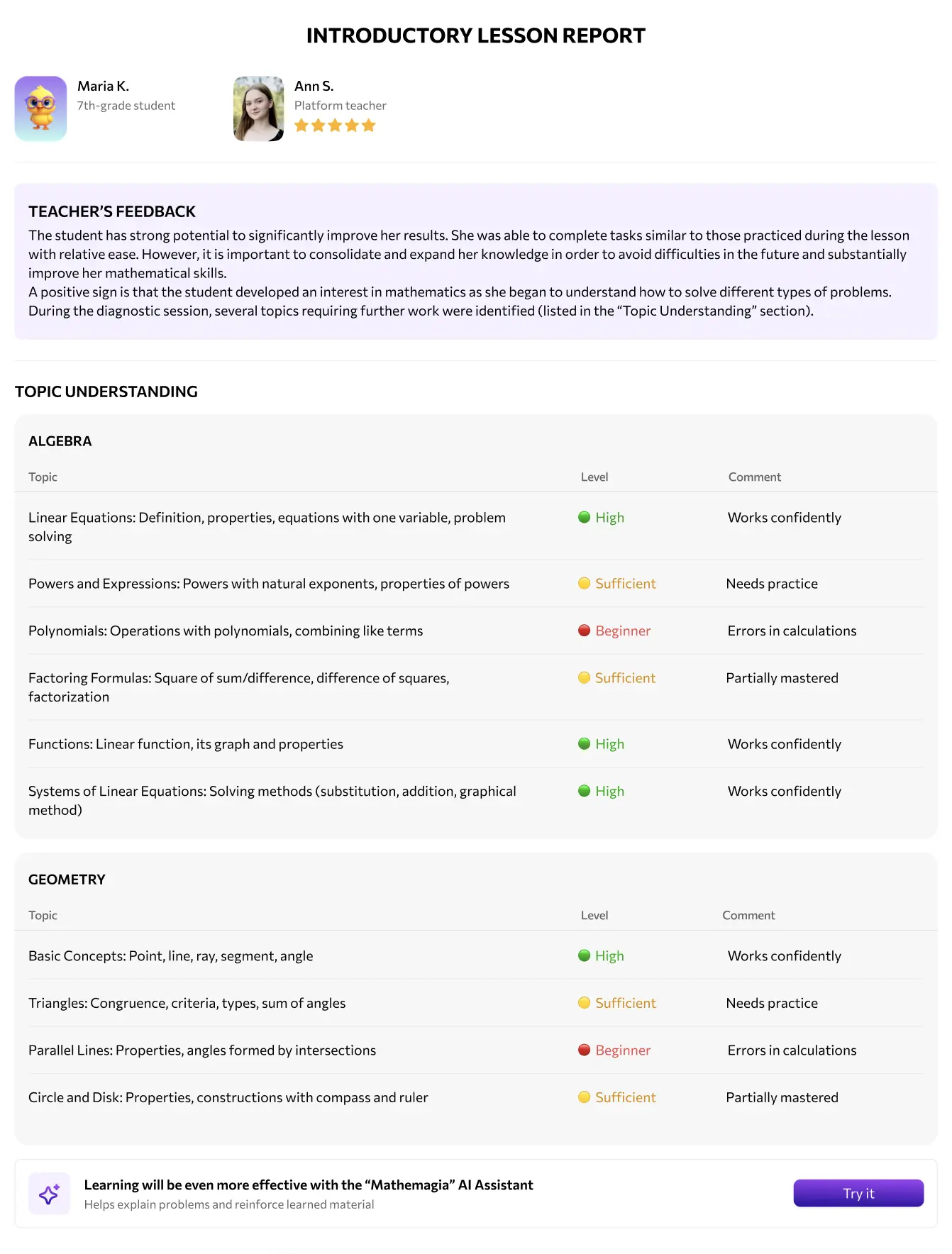
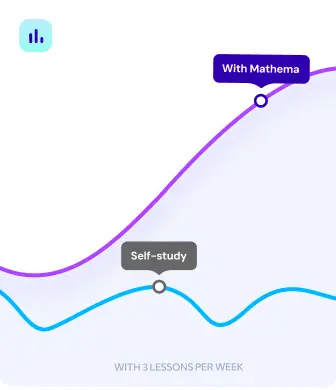
Parents receive a short report: what was done, successes, recommendations. And the child sees they can do more than they thought.
Sign upAI assistant: explains, guides, supports
It's like having a personal teacher 24/7: you ask and immediately get a clear explanation. No stress. No rush. At the child's pace
AI assistant: explains, guides, supports
It's like having a personal teacher 24/7: you ask and immediately get a clear explanation. No stress. No rush. At the child's pace
Quizzes — easy reinforcement of knowledge that students love


Short, interactive, designed so that the child doesn't just recall material, but feels a small victory every time they get it "right"
✅ 3–5 minutes — and the topic is reinforced
Perfect for quickly reviewing a topic or testing yourself after homework
😎 Made a mistake? Get an explanation
Mistakes aren't scary here — they lead to "aha, now I get it!"

Анна, you successfully passed the test!
An introductory diagnostic lesson is ahead. To prepare and feel confident, watch the educational video
🚀 A daily habit that brings so many benefits
Small steps that build confidence.
Quizzes — easy knowledge reinforcement that students love
Short, interactive, designed so that the child doesn't just recall material, but feels a small victory every time they get it "right"
✅ 3–5 minutes — and the topic is reinforced
Perfect for quickly reviewing a topic or testing yourself after homework
😎 Made a mistake? Get an explanation
Mistakes aren't scary here — they lead to "aha, now I get it!"
Анна, you successfully passed the test!
An introductory diagnostic lesson is ahead. To prepare and feel confident, watch the educational video
🚀 A daily habit that brings so many benefits
Small steps that build confidence.
Mathema builds the habit of thinking confidently
Short quizzes, AI assistant tips, regular lessons — it's a system that shapes not just grades, but mathemagical thinking.

Logical thinking skill — a universal superpower

Comfortable pace, personalized approach

The feeling of victory: every "correct!" — like a small win
Mathema builds the habit of thinking confidently
Short quizzes, AI assistant tips, regular lessons — it's a system that shapes not just grades, but mathemagical thinking.
Logical thinking skill — a universal superpower
Comfortable pace, personalized approach
The feeling of victory: every "correct!" — like a small win
We'll find a mathemage who will unlock your inner mathematical power
We'll find a mathemage who will unlock your inner mathematical power
Parents' reviews about Mathema tutors
Amina was absolutely wonderful with my daughter. She was kind, positive, patient, and very engaging throughout the lesson. My daughter felt comfortable and really enjoyed the session. I also really appreciated Amina’s professional approach and the helpful assessment she provided. Thank you so much for your kindness and support! 🌸🤍

Oleksandr is a brilliant teacher who's made maths both enjoyable and inspiring. What my daughter loves most is that he shares fascinating facts encourages discussions and constantly challenges to think and make connections across different subjects. His engaging teaching style has sparked her curiosity and increased her confidence. She now enjoys maths and does her homework in her own time. We're extremely grateful for the positive impact he's had on her learning and enthusiasm for the subject.
Alfie is a brilliant teacher and has built my 14 year old’s confidence in maths tremendously in such a small amount of time. Alfie is extremely knowledgeable and explains things really clearly. He is encouraging and makes maths feel less daunting and more enjoyable. Wish we’d found him sooner :)
I cannot praise Abdul enough he instantly engaged my daughter and managed to identify her strengths and weaknesses. In just a few lessons her confidence has grown. She now enjoys the lessons and does not feel overwhelmed as much by maths as a whole. Abdul has a very calm but direct approach and this is very well received. Highly recommend
Joy is very patient and takes her time to go over the topics until it is fully understood. She is flexible with her lesson planning to suit the student's current needs. My son is enjoying mastering his year 8 maths topics with Joy ahead of his end of year exam!
Can’t thank David enough with the time he has had with my son. Only a couple of weeks to help with his upcoming exams. He is approachable, my son likes him which helps and they have a great rapport David has been such a god send to my son in helping him in the areas he lacks knowledge and has giving him confidence going into his exams. I can’t recommend David enough.thank you
Amina was absolutely wonderful with my daughter. She was kind, positive, patient, and very engaging throughout the lesson. My daughter felt comfortable and really enjoyed the session. I also really appreciated Amina’s professional approach and the helpful assessment she provided. Thank you so much for your kindness and support! 🌸🤍
Oleksandr is a brilliant teacher who's made maths both enjoyable and inspiring. What my daughter loves most is that he shares fascinating facts encourages discussions and constantly challenges to think and make connections across different subjects. His engaging teaching style has sparked her curiosity and increased her confidence. She now enjoys maths and does her homework in her own time. We're extremely grateful for the positive impact he's had on her learning and enthusiasm for the subject.
Alfie is a brilliant teacher and has built my 14 year old’s confidence in maths tremendously in such a small amount of time. Alfie is extremely knowledgeable and explains things really clearly. He is encouraging and makes maths feel less daunting and more enjoyable. Wish we’d found him sooner :)
I cannot praise Abdul enough he instantly engaged my daughter and managed to identify her strengths and weaknesses. In just a few lessons her confidence has grown. She now enjoys the lessons and does not feel overwhelmed as much by maths as a whole. Abdul has a very calm but direct approach and this is very well received. Highly recommend
Joy is very patient and takes her time to go over the topics until it is fully understood. She is flexible with her lesson planning to suit the student's current needs. My son is enjoying mastering his year 8 maths topics with Joy ahead of his end of year exam!
Can’t thank David enough with the time he has had with my son. Only a couple of weeks to help with his upcoming exams. He is approachable, my son likes him which helps and they have a great rapport David has been such a god send to my son in helping him in the areas he lacks knowledge and has giving him confidence going into his exams. I can’t recommend David enough.thank you
Teacher is recommendable! He put more focus on teaching heartily and provides more examples. Keep it up teacher..
Teacher was so helpful. Thank you so much teacher!
Hi It was Rian’s first session for maths. He really enjoyed it with Drasti. She was patiently explaining basics in simpler way and he has developed interest to attend the classes. I am feeling positive that she will be able to guide him. Thank you so much
I had a wonderful experience attending this class. The session was very well organized, engaging, and easy to follow. The instructor explained complex concepts in a simple and clear way, making learning enjoyable and effective. The class was interactive, and all questions were answered patiently. Thanks for your help.
the way of teaching is good. her explanation is great.
Taiwo shows keen interest in attempting to see improvement in my daughter's mathematical skills. She aims at improving my daughter's love and confidence in maths which is greatly appreciated.
Teacher is recommendable! He put more focus on teaching heartily and provides more examples. Keep it up teacher..
Teacher was so helpful. Thank you so much teacher!
Hi It was Rian’s first session for maths. He really enjoyed it with Drasti. She was patiently explaining basics in simpler way and he has developed interest to attend the classes. I am feeling positive that she will be able to guide him. Thank you so much
I had a wonderful experience attending this class. The session was very well organized, engaging, and easy to follow. The instructor explained complex concepts in a simple and clear way, making learning enjoyable and effective. The class was interactive, and all questions were answered patiently. Thanks for your help.
the way of teaching is good. her explanation is great.
Taiwo shows keen interest in attempting to see improvement in my daughter's mathematical skills. She aims at improving my daughter's love and confidence in maths which is greatly appreciated.
Amina was absolutely wonderful with my daughter. She was kind, positive, patient, and very engaging throughout the lesson. My daughter felt comfortable and really enjoyed the session. I also really appreciated Amina’s professional approach and the helpful assessment she provided. Thank you so much for your kindness and support! 🌸🤍
Oleksandr is a brilliant teacher who's made maths both enjoyable and inspiring. What my daughter loves most is that he shares fascinating facts encourages discussions and constantly challenges to think and make connections across different subjects. His engaging teaching style has sparked her curiosity and increased her confidence. She now enjoys maths and does her homework in her own time. We're extremely grateful for the positive impact he's had on her learning and enthusiasm for the subject.
Alfie is a brilliant teacher and has built my 14 year old’s confidence in maths tremendously in such a small amount of time. Alfie is extremely knowledgeable and explains things really clearly. He is encouraging and makes maths feel less daunting and more enjoyable. Wish we’d found him sooner :)
I cannot praise Abdul enough he instantly engaged my daughter and managed to identify her strengths and weaknesses. In just a few lessons her confidence has grown. She now enjoys the lessons and does not feel overwhelmed as much by maths as a whole. Abdul has a very calm but direct approach and this is very well received. Highly recommend
Joy is very patient and takes her time to go over the topics until it is fully understood. She is flexible with her lesson planning to suit the student's current needs. My son is enjoying mastering his year 8 maths topics with Joy ahead of his end of year exam!
Can’t thank David enough with the time he has had with my son. Only a couple of weeks to help with his upcoming exams. He is approachable, my son likes him which helps and they have a great rapport David has been such a god send to my son in helping him in the areas he lacks knowledge and has giving him confidence going into his exams. I can’t recommend David enough.thank you
Teacher is recommendable! He put more focus on teaching heartily and provides more examples. Keep it up teacher..
Teacher was so helpful. Thank you so much teacher!
Hi It was Rian’s first session for maths. He really enjoyed it with Drasti. She was patiently explaining basics in simpler way and he has developed interest to attend the classes. I am feeling positive that she will be able to guide him. Thank you so much
I had a wonderful experience attending this class. The session was very well organized, engaging, and easy to follow. The instructor explained complex concepts in a simple and clear way, making learning enjoyable and effective. The class was interactive, and all questions were answered patiently. Thanks for your help.
the way of teaching is good. her explanation is great.
Taiwo shows keen interest in attempting to see improvement in my daughter's mathematical skills. She aims at improving my daughter's love and confidence in maths which is greatly appreciated.
Choose a plan that fits your pace and goals
The more lessons you choose — the lower the price per lesson and the faster the progress
- ✅Quickly covers missed topics
- ✅First "aha!" moments — an easy start
- ✅Access to AI assistant
- ✅Quizzes after every lesson
- ✅Basic user support
- ✅Guaranteed progress in the curriculum
- ✅Personal learning path
- ✅Access to AI assistant
- ✅Quizzes after every lesson
- ✅Extended support + teacher recommendations
- ✅A real leap — from "I'm afraid of math" to "I get it!"
- ✅Preparation for advanced school and competition topics
- ✅Access to AI assistant
- ✅Advanced quizzes and adaptive tasks
- ✅Priority booking with your teacher
Answering your "what ifs?"
All lessons are conducted online in a one-on-one format between the student and teacher. They work together via Zoom or Google Meet: solving problems, discussing examples, and reaching understanding step by step. The format is convenient and flexible — no rush or pressure, with a focus on understanding. A phone, tablet, or computer with internet access and a camera is all you need. Teachers may use interactive whiteboards for explanations, so we recommend choosing a device with a larger screen when possible.
Yes, we recommend turning on the camera and microphone during the lesson. This helps the teacher better sense the child's mood, notice where help is needed, and maintain a live connection. If there are technical difficulties — don't worry. We'll always find a convenient solution together.
We suggest answering a few questions to understand what matters most for your child right now: their level, goals, and topics they want to work on. Based on your answers, we suggest a teacher who best fits this request and with whom the child will feel calm, understood, and interested in learning. Such a teacher is marked with a "Best recommendation" badge — meaning their experience matches your situation well. If you find it hard to choose, our manager will gladly help. According to our statistics, 95% of parents are satisfied with the selected teacher. However, if the teacher doesn't suit for any reason, we'll find another one for free.
Learning at our school starts with an introductory lesson — a full session aimed at identifying topics that need special attention, creating an individual learning plan for your child, as well as getting acquainted with the teacher and setting the child up for comfortable learning. After the lesson, the teacher prepares a report for parents and a personalized lesson plan to make learning clear, comfortable, and as effective as possible.
Parental presence is not required. During the first introductory lesson, it's helpful if you can join for the last few minutes to hear feedback and ask the teacher questions. If that's not possible, you can review the report and the learning plan on the platform. During regular lessons, we recommend that the child works independently with the teacher. This helps them focus better, build rapport, and gradually feel confident in their own learning.
Yes, you can change your teacher at any time. You can do this on your own in your personal account or by contacting the support chat on the platform.
The standard lesson duration is 55 minutes. This is enough time to properly explain the material, reinforce the topic, and answer all the child's questions without overloading.
Lesson price starts from £27 for a 55-minute lesson.
Yes, if you wish, you can pause learning for up to 180 days. All lessons are kept on your balance, and after resuming, the child continues from where they left off.
Yes. If your plans have changed, you can reschedule or cancel a lesson on your own in your account, or contact support. Please note: in case of a no-show without prior notice, the lesson will be deducted from your balance. We recommend notifying us of changes in advance to preserve your lesson.